
Economy
Tariffs and Inflation The Federal Reserve’s Delicate Balancing Act
Apr
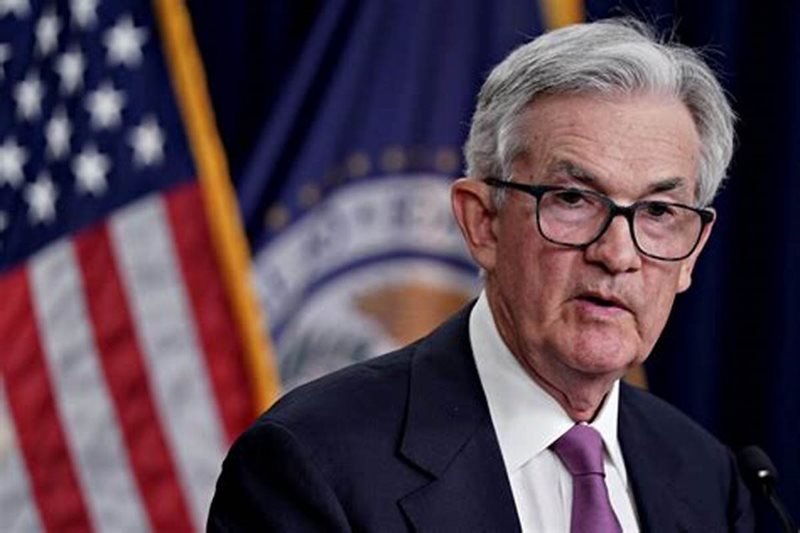
When evaluating tariffs and inflation, Federal Reserve Chair Jerome Powell emphasizes the need to differentiate signal from noise. President Donald Trump’s global tariffs, in particular, add complexity to this already intricate task, making it even more critical for the Fed to assess their effects accurately.
The Fed’s Strategic Dilemma
This year, Fed officials face the decision of whether to lower interest rates to stimulate the economy or keep rates high to control inflation. Economists predict that tariffs will pull the Fed in opposing directions by both slowing growth and increasing prices.
Assessing the Inflationary Effects of Tariffs
To determine the best policy, officials need to gauge how much inflation is linked to tariffs and whether these impacts will be short-term or persistent. According to economist Laura Rosner-Warburton, the effects may be widespread and harder to pinpoint due to the broad scope of tariffs affecting various goods and industries.
The Scope of Trump’s Tariffs
Trump’s extensive tariffs, including a 10% levy on all exports to the U.S., have affected many nations, including China, the EU, and Japan. These tariffs, more severe than expected, build upon previous tariffs on steel, aluminum, and automobiles, complicating the Fed’s inflation forecasts.
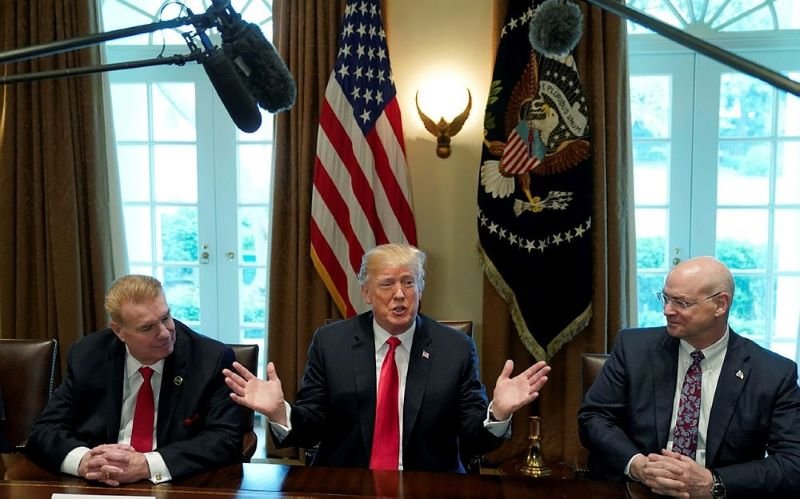
White House Announces Tariff Exemptions for Steel Aluminum and Gold
The White House has revealed that imports of steel, aluminum and gold will not face reciprocal tariffs, this tariff…
Direct vs. Indirect Effects of Tariffs
Fed officials are closely monitoring both direct and indirect effects of tariffs. Direct impacts, such as price increases for consumer goods like electronics, shoes, and household items, will likely show up in the consumer price index. However, the indirect effects on intermediate goods, like steel and aluminum, which are often absorbed within production chains, are harder to track.
Potential Long-Term Inflationary Pressures
St. Louis Fed President Alberto Musalem cautions against assuming that tariff-driven inflation will be entirely temporary. His team estimates that a 10% rise in U.S. tariffs could push the Fed’s preferred inflation measure up by 1.2 percentage points. This increase would be largely driven by indirect effects.
The Risk of Persistent Inflation
As the U.S. tariff rate rises to around 22%, inflationary impacts could increase significantly. Economist Josh Hirt warns that prolonged trade disputes could lead to persistent goods inflation. This would make it harder for the Fed to manage broader price pressures. If goods inflation continues, it may spill over into services, wages, and inflation expectations.
Consumer Behavior and Inflation Expectations
Atlanta Fed President Raphael Bostic stresses the importance of monitoring how tariffs affect consumer inflation expectations. Recent surveys show that consumers are adjusting their expectations, which could lead to changes in spending behavior. This adds another layer of complexity to the Fed’s decision-making process.
The Uncertainty Ahead
Powell acknowledges the difficulty in predicting the full impact of tariffs. The Fed is modeling various outcomes, assuming full retaliation from trading partners. The uncertainty surrounding tariffs and inflation complicates forecasting their precise timeline. This adds to the Fed’s delicate balancing act.

