
World
Canadian Exports to U.S. Continue Decline Amid Trade Uncertainty
Jul
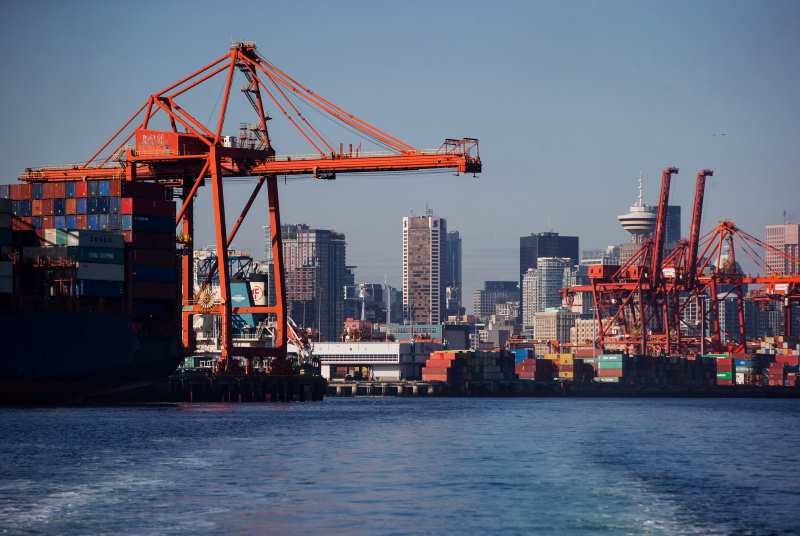
Canadian exports to the United States sustained their downward trajectory in May, weighed down by fluctuating tariffs and Washington’s unpredictable trade policies. In contrast, shipments to other international markets surged, reaching record levels. This mixed trade performance reflects ongoing instability in Canada-U.S. economic relations.
Narrowing Merchandise Trade Deficit
Soft demand for Canadian goods in the U.S., combined with subdued Canadian imports, helped reduce Canada’s merchandise trade deficit to 5.86 billion Canadian dollars (about $4.31 billion) in May. This marks a notable improvement from April’s revised peak deficit of C$7.60 billion. Despite this, May represented the fourth consecutive month of trade shortfall with the United States.
Impact of Tariff Fluctuations on Trade Flows
“The timing of shipments is being adjusted as exporters and importers respond to both threatened and implemented U.S. tariffs,” explained Nathan Janzen, assistant chief economist at the Royal Bank of Canada. Canada’s exports posted their first increase in four months, largely driven by volatile gold shipments, yet exports to the U.S. continued to decline, hitting the lowest share in decades outside the pandemic period.
Trade Outlook Hinges on New Agreement
A significant rebound in exports seems unlikely without a new Canada-U.S. trade agreement. This is especially critical after President Trump’s June decision to double tariffs on aluminum and steel imports, much of which originate from Canada. Economists warn that continued weak trade performance could weigh on Canada’s economy and open the door for the Bank of Canada to consider cutting interest rates, provided inflation remains manageable.
Exporters Struggle with Tariffs and Compliance
Alexandra Brown, North America economist at Capital Economics, noted exporters face challenges complying with trade pact requirements while avoiding higher tariffs. Although exports to non-U.S. markets increased by 5.7% in May—boosted by shipments of gold to the U.K., crude oil to Singapore, and pharmaceuticals to Italy—the overall export outlook remains cautious.
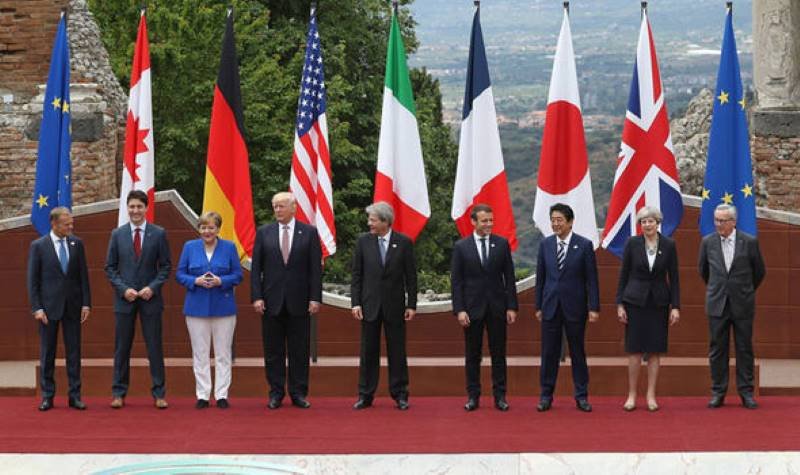
Nations Seize G-7 Summit as Strategic Forum to Reignite Trade Dialogues with Trump
World leaders are approaching the upcoming G-7 summit in Canada as a crucial platform to rekindle trade talks with President Trump…
Shifts in Global Trade Dynamics
Canadian exports rose 1.1% month-over-month to C$60.81 billion in May, recovering slightly after April’s sharp decline. Imports decreased by 1.6% to C$66.66 billion, including a 1.2% fall in imports from the U.S. The trade surplus with the U.S. widened modestly to C$3.22 billion, though it remains well below earlier 2024 highs.
Economic Ripple Effects and Industry Concerns
The ongoing slump in trade with the U.S. is beginning to impact Canada’s economy. Preliminary data show a 0.1% decline in industry-level GDP in May, following a similar drop in April, suggesting a potential contraction in the second quarter. Canadian leaders are engaged in intense negotiations with U.S. counterparts, aiming to finalize a new trade agreement by July 21, after repealing a digital-services tax that targeted American tech firms.
Strategic Industry Discussions and Future Risks
Prime Minister Mark Carney has prioritized securing a favorable deal for Canadian workers and industries, recently meeting with regional leaders from Ford, Stellantis, and General Motors to address tariffs and supply chain resilience. While Canada is better positioned than many countries to withstand U.S. tariffs, the escalating and unpredictable nature of these trade barriers poses risks to economic growth and bilateral relations.
Sector Highlights Metals Energy and Consumer Goods
The headline growth in exports was largely due to record gold shipments following several months of decline. Excluding metals and minerals, exports actually dropped by 1.2%. Consumer goods exports rose, helped by meat and pork shipments to Japan, while energy exports declined amid lower volumes and weak crude oil prices. Imports also fell for the third straight month, driven by reduced purchases of precious metals and motor vehicles, reflecting the ongoing trade tensions.

